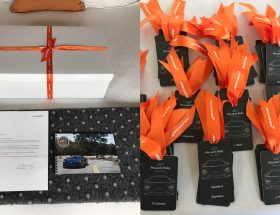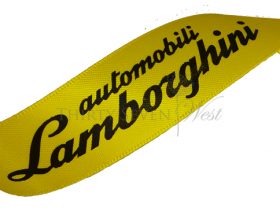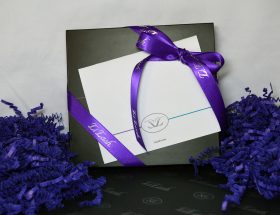
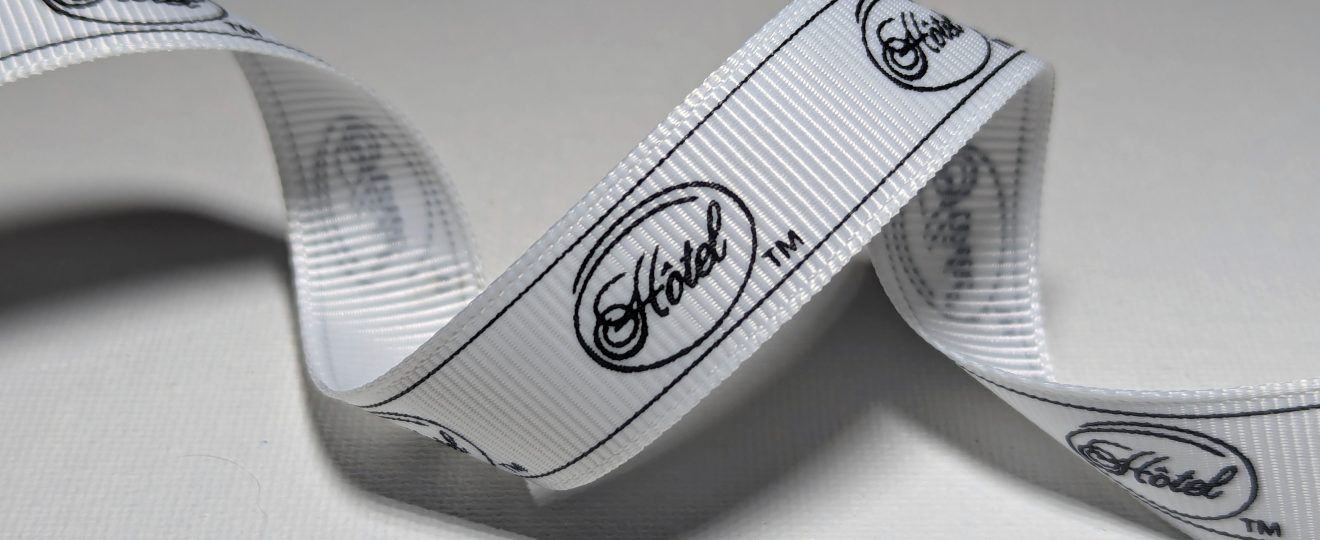
You know that feeling when you receive a package and you can immediately tell it’s something special? Before you even open it, there’s this anticipation building up because everything about the presentation screams quality. That’s the magic we’re talking about when we say the difference between “sent” and “presented” is all in the details.
I’ve been in the business world long enough to see countless products come and go, and here’s what I’ve learned: it’s not always the best product that wins. Sometimes it’s the one that feels the most premium, the most thoughtful, the most… intentional. And you’d be surprised how much of that comes down to something as simple as a custom ribbon.
Why First Impressions Matter More Than Ever
 Let’s be real for a second. In today’s world, we’re all drowning in options. Your customers aren’t just choosing between you and your direct competitors anymore—they’re choosing between you and every other experience they’ve had recently. That Amazon package with the perfect unboxing experience? That boutique shop downtown with the gorgeous packaging? That’s your competition now.
When someone receives your product, you’ve got about three seconds to make them feel like they made the right choice. Three seconds. That’s it. And in those three seconds, every detail matters. The weight of the box, the way it opens, the sound the tissue paper makes, and yes—the ribbon that ties it all together.
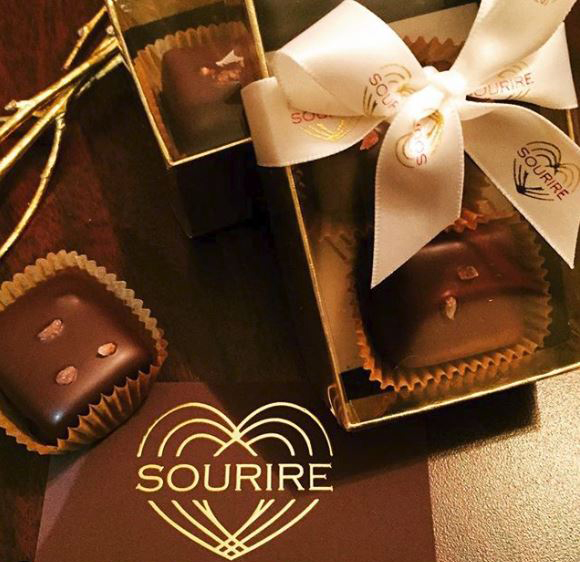
I remember visiting a small chocolate shop in Paris years ago. The chocolates were good, don’t get me wrong, but what I still remember today wasn’t the taste—it was the way they presented them. This gorgeous custom satin ribbon, perfectly tied, with typography so crisp it looked like it belonged in a museum. I kept that ribbon for months because throwing it away felt wrong somehow.
The rise of social media has amplified this phenomenon exponentially. Today’s consumers aren’t just buying products—they’re buying moments worth sharing. When someone receives a beautifully packaged item, complete with custom ribbon, they’re not just getting a product; they’re getting content. They’re getting a story to tell, a photo to post, a reason to feel proud of their purchase decision. This shift has fundamentally changed the game for businesses of all sizes.
What’s fascinating is how this trend has democratized luxury. You don’t need to be Tiffany & Co. to create that iconic blue-box moment. Small businesses can now create equally memorable experiences with thoughtful details like custom ribbons. The playing field has leveled, and it’s the brands that understand this shift who are winning customer hearts and wallets.
The Psychology Behind Premium Presentation
There’s actual science behind why we respond so strongly to beautiful presentation. When we see something that’s been carefully crafted and thoughtfully presented, our brains automatically assign it higher value. It’s not manipulation—it’s just how we’re wired.
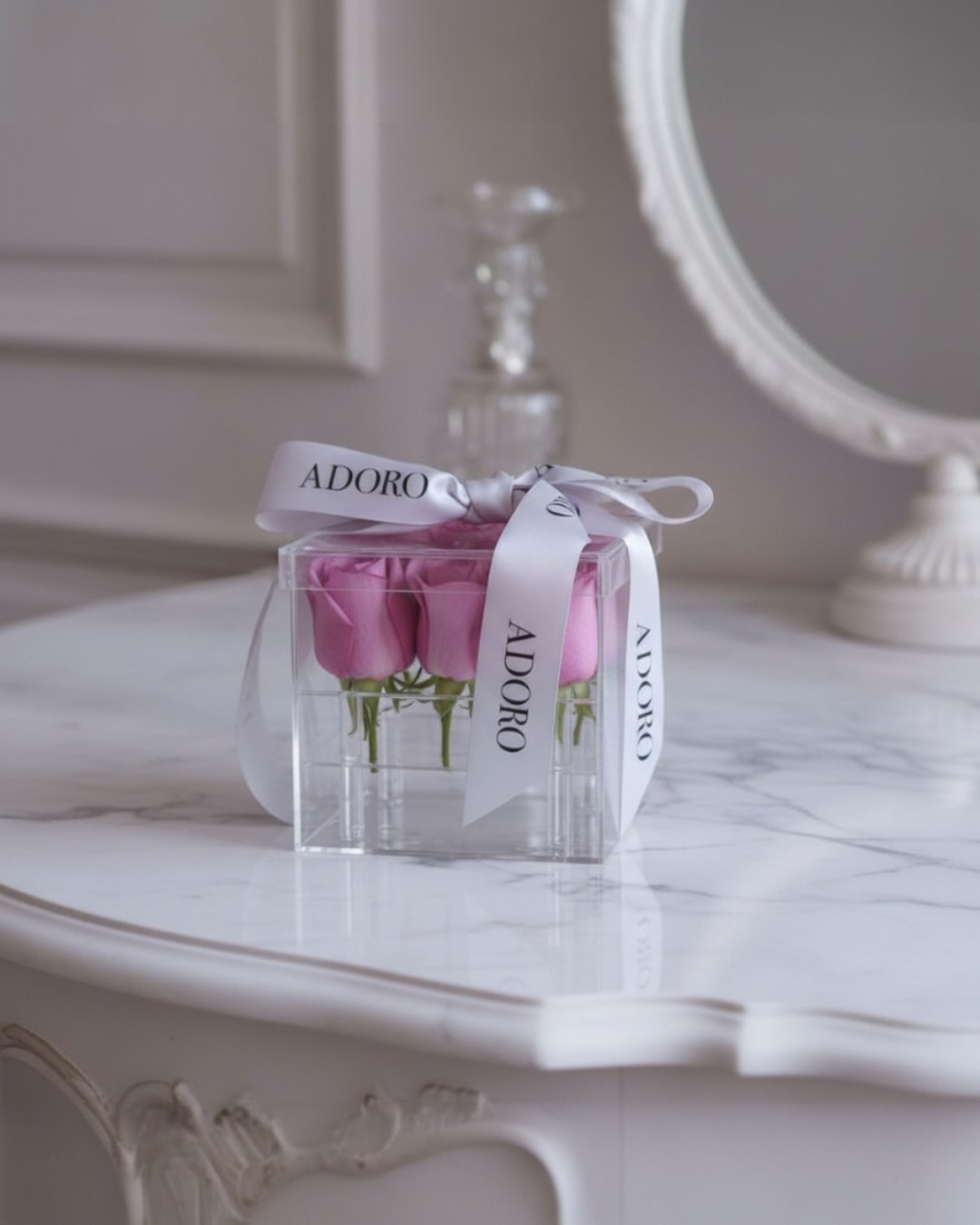 Think about it this way: if you’re going to spend your hard-earned money on something, you want to feel good about that decision. Beautiful packaging, including custom ribbons with that silky texture and perfect typography, sends a clear message: “We care about every aspect of your experience with us.”
This is where companies like Thirty Seven West come in. We understand that a ribbon isn’t just a ribbon—it’s a promise. It’s saying, “We sweat the small stuff so you don’t have to wonder if you’re getting quality.”
What Makes a Ribbon Actually Work for Your Brand
Now, before you rush out and slap any old ribbon on your products, let’s talk about what actually makes a difference. Because here’s the thing—not all ribbons are created equal, and a cheap ribbon can actually hurt your brand more than help it.
Typography That Speaks Your Language
The text on your ribbon needs to feel like an extension of your brand voice. If you’re a luxury skincare company, you probably don’t want Comic Sans on your ribbon (please tell me that’s obvious). The font should match the personality you’re trying to convey. Clean and modern? Elegant and traditional? Playful and approachable? Your ribbon typography should be singing the same tune as the rest of your brand.
Texture That Tells a Story
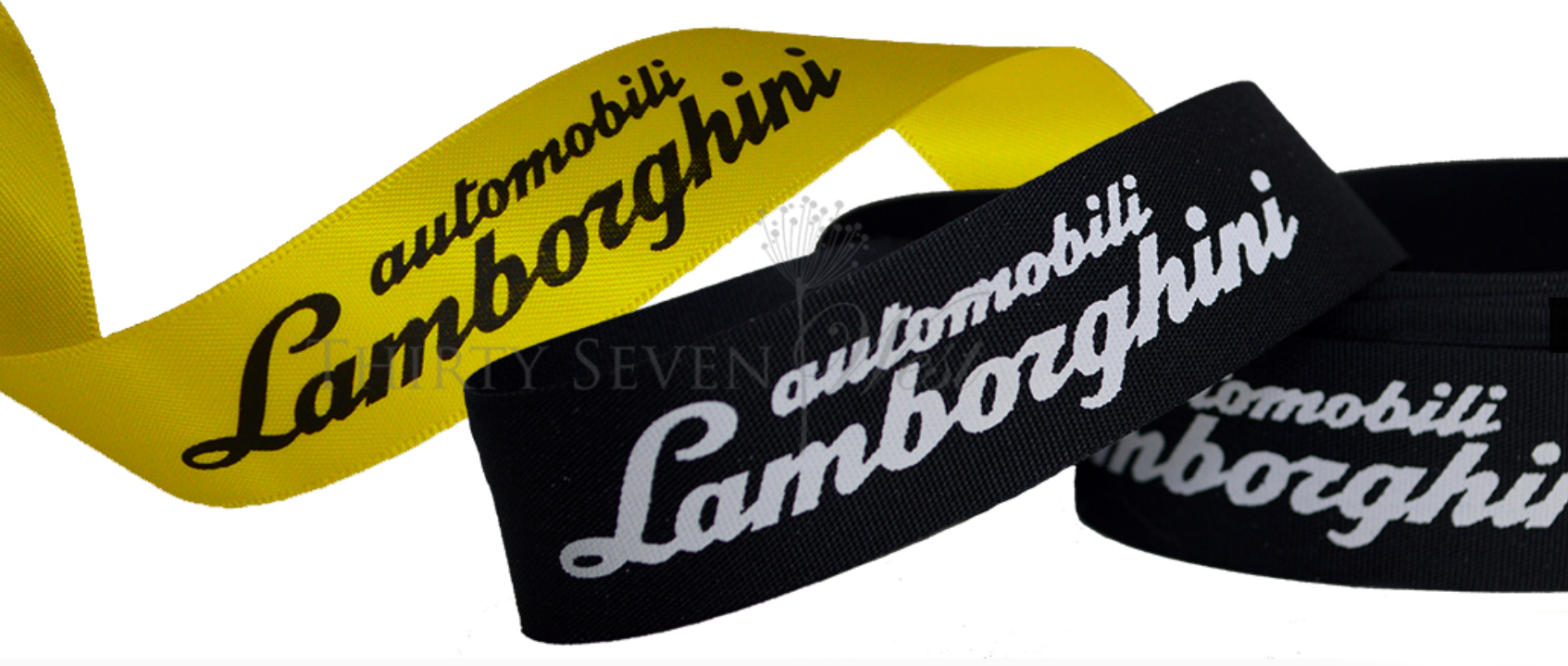 This is where things get interesting. The texture of your ribbon communicates before anyone even reads what’s on it. Satin ribbons suggest luxury and sophistication. Grosgrain ribbons feel more structured and professional. Cotton ribbons give off that handmade, artisanal vibe. You’re not just picking a material—you’re choosing how you want people to feel when they touch your brand.
Color Psychology in Action
Colors aren’t just pretty—they’re psychological triggers. Deep blues suggest trust and reliability. Rich purples scream luxury. Soft pastels feel gentle and nurturing. The color of your ribbon should align with the emotions you want to evoke. It sounds a bit woo-woo, but I’ve seen it work time and time again.
Real-World Success Stories
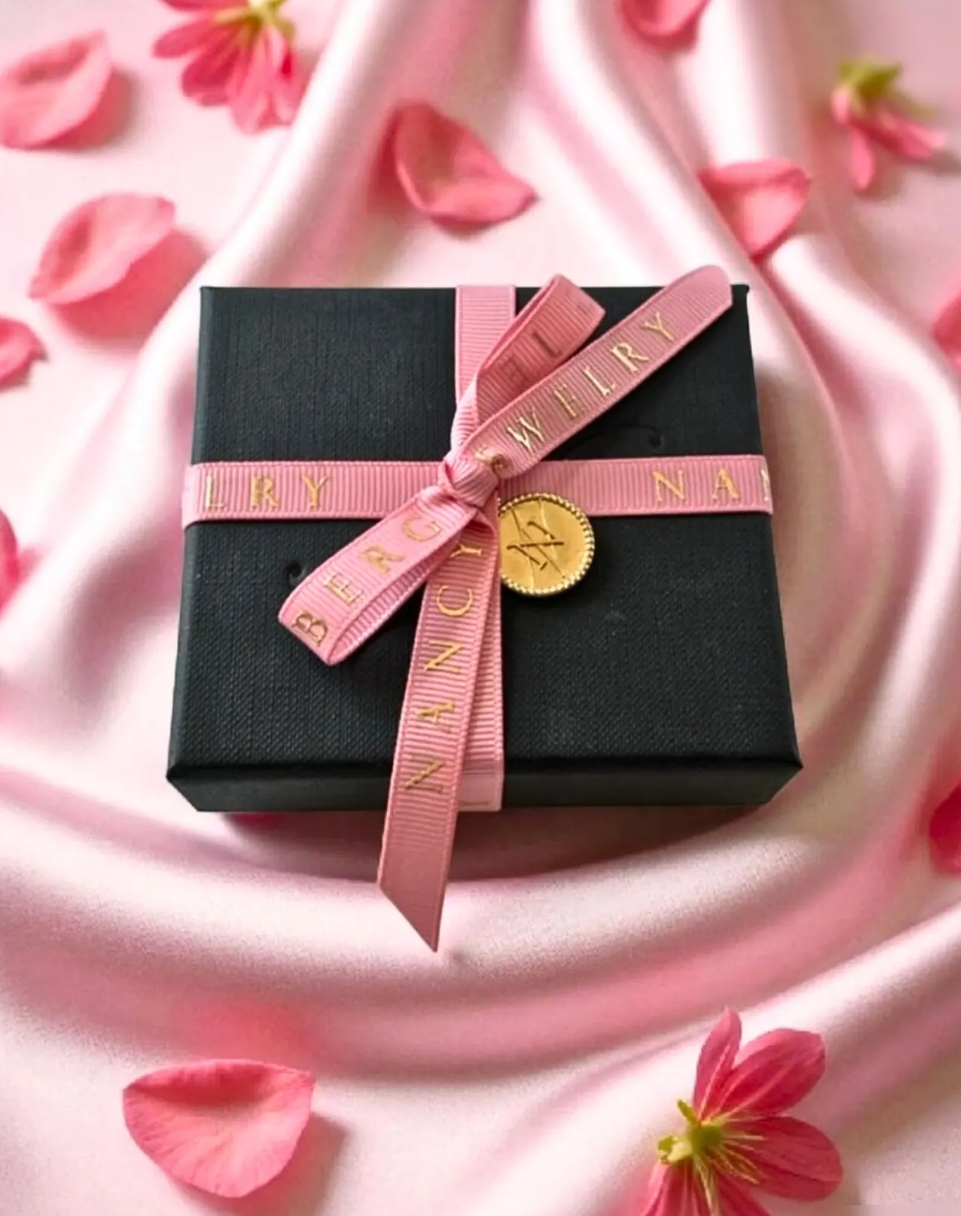 Let me tell you about a small jewelry company I worked with a few years back. They were struggling to compete with bigger brands, even though their products were genuinely beautiful. Their packaging was… fine. Basic boxes, standard tissue paper, nothing memorable.
We convinced them to invest in custom ribbons—nothing fancy, just their logo in an elegant font on a satin ribbon in their brand color. The change was immediate. Customers started posting unboxing videos on social media. Sales increased by 30% in the first quarter. But more importantly, their return customer rate went through the roof.
Why? Because those ribbons made every purchase feel like a gift. Even when people were buying for themselves, they felt special. They felt like they’d made a smart choice supporting a quality brand.
The Boutique Finish That Keeps Customers Coming Back
Here’s what I’ve learned about customer loyalty: it’s not just about the product anymore. It’s about the entire experience. When you give someone that boutique-level presentation, you’re not just selling them a product—you’re selling them a feeling.
That high-end finish doesn’t happen by accident. It’s the result of paying attention to details that other companies ignore. It’s understanding that the moment someone receives your package is just as important as the moment they use your product.
Custom printed ribbons are one of those details that seem small but pack a huge punch. They’re relatively inexpensive compared to other packaging upgrades, but the impact they have on perceived value is enormous. It’s like getting designer impact at a fraction of the cost.
Making the Investment Work for You
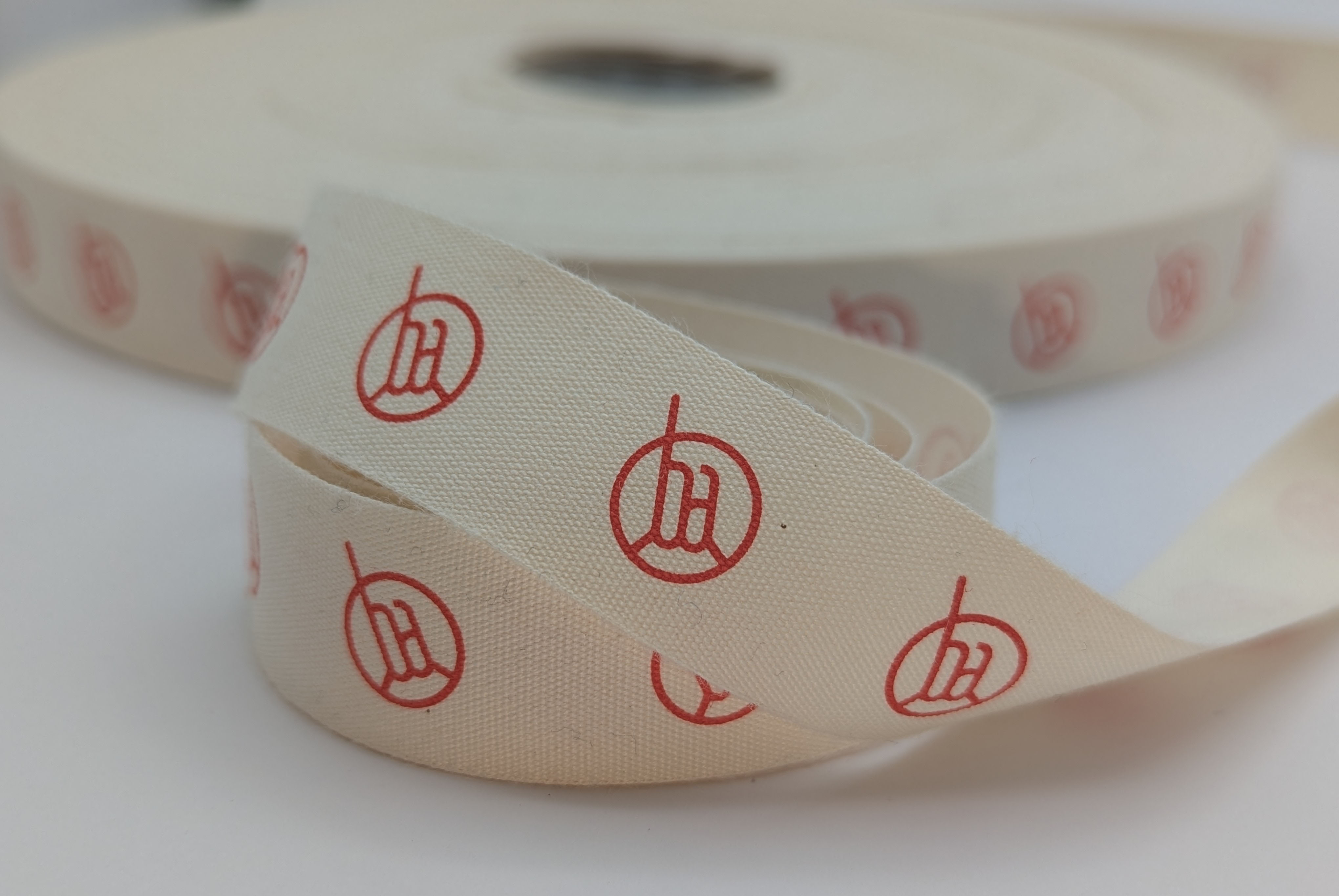 I know what you might be thinking: “This sounds expensive.” And sure, custom ribbons cost more than generic ones. But let’s put this in perspective. If a custom ribbon costs you an extra fifty cents per package, and that ribbon helps you retain even one additional customer per month, you’ve probably already broken even.
Plus, there’s the word-of-mouth factor. People share beautiful packaging. They post it on Instagram, they show it to friends, they keep it around longer. That’s free marketing you can’t put a price on.
The key is finding a supplier who understands that quality matters. Companies like Thirty Seven West specialize in creating ribbons that don’t just look good in photos—they feel premium in person. Because at the end of the day, your customer is holding that ribbon in their hands, not just seeing it on a screen.
Getting Started with Custom Ribbons
If you’re ready to make the jump from “sent” to “presented,” start by thinking about your brand personality. What do you want people to feel when they receive your product? Excited? Pampered? Confident in their choice? Your ribbon should support that feeling.
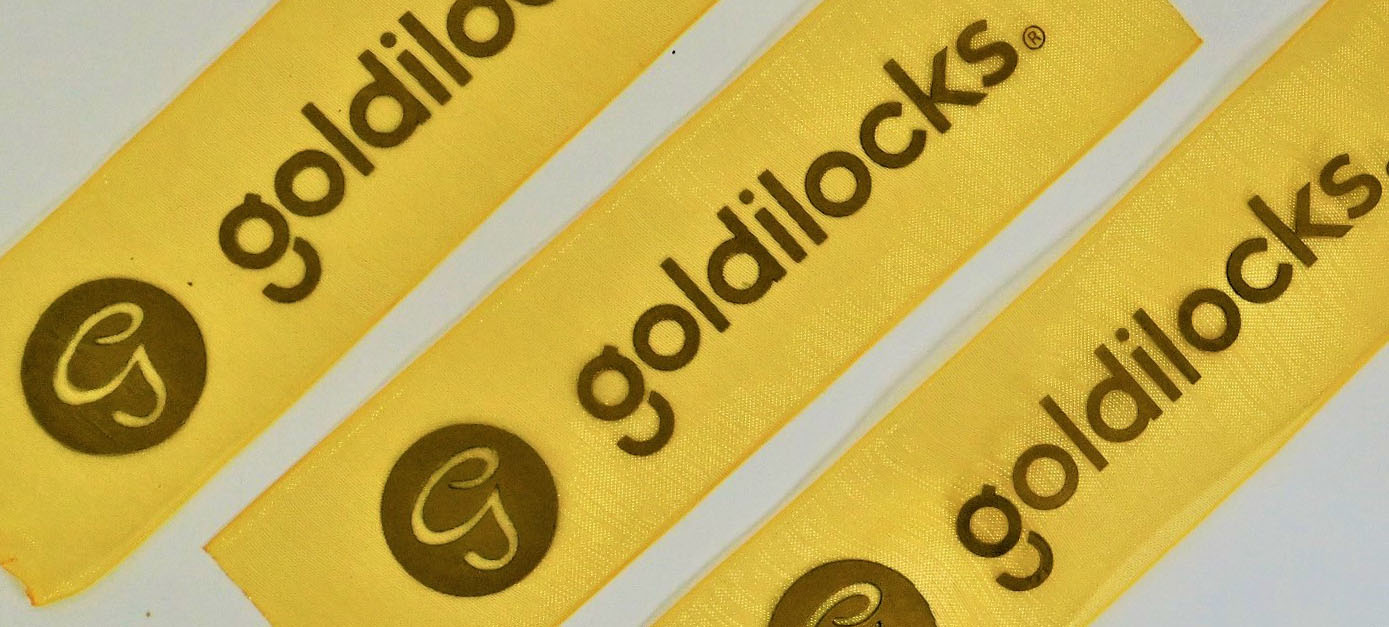 Consider your current packaging as a whole. Where does it feel generic? Where could you add that boutique touch without completely overhauling everything? Sometimes a beautiful custom ribbon is all it takes to elevate an entire unboxing experience.
And remember, this isn’t about keeping up with the Joneses—it’s about standing out in a crowded marketplace. When every detail of your presentation shows that you care, customers notice. They remember. And most importantly, they come back.
The difference between sent and presented really is all in the details. Those crisp typography choices, those silky textures, those perfect color matches—they add up to something bigger than the sum of their parts. They create an experience that makes your brand unforgettable.