There’s something almost magical that happens when you watch a digital logo transform into something you can actually touch. You know that feeling when you see a brand come to life beyond the screen? It’s like watching your favorite movie character step out of the TV – suddenly, everything becomes more real, more tangible, more memorable.
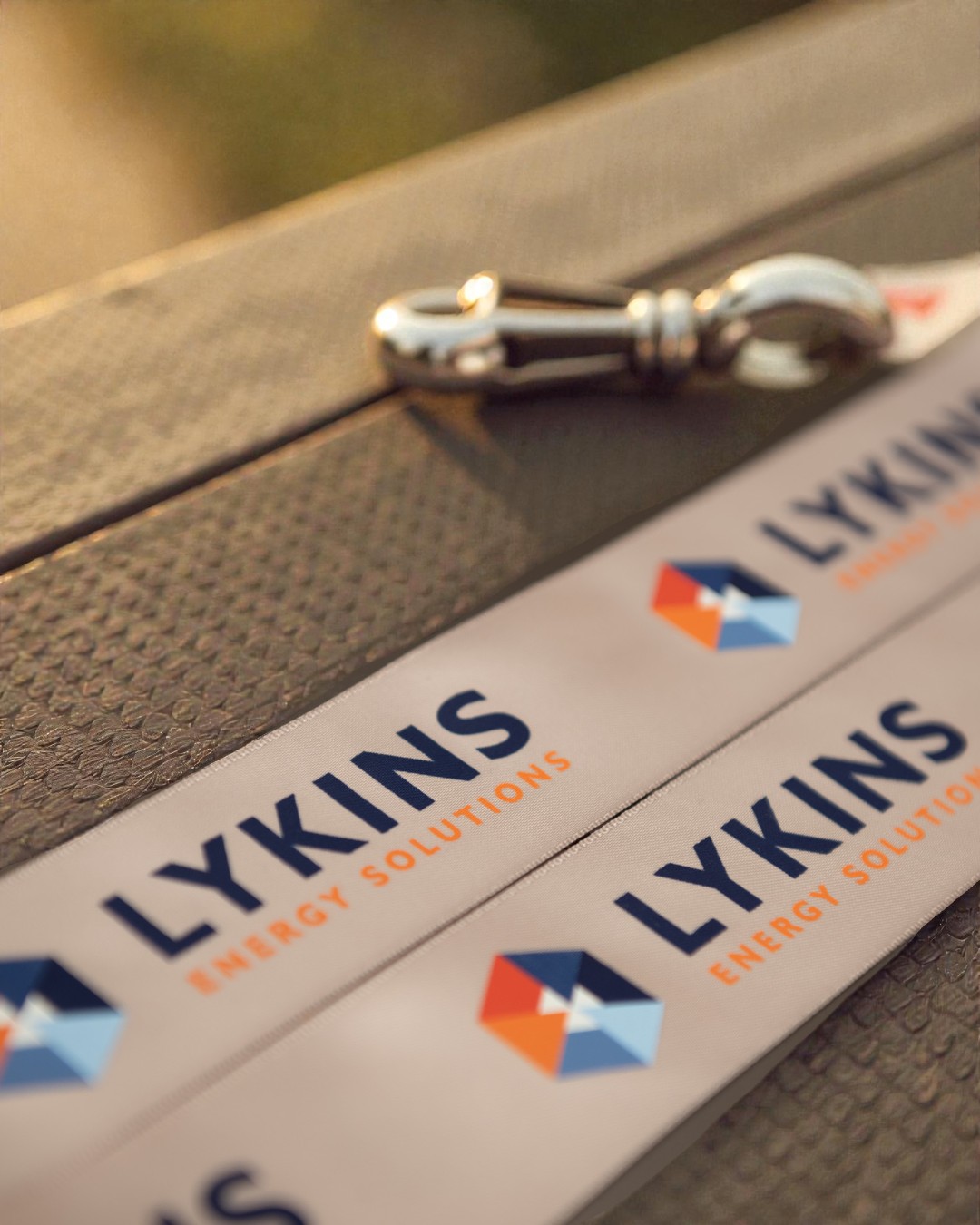
I’ve been watching this transformation happen more and more in the branding world, and honestly, it never gets old. Take the recent Lykins Energy Solutions project that caught my attention – seeing their digital branding get the full physical treatment with that gorgeous tactile finish against a crisp white custom ribbon was pure eye candy. But here’s the thing: it’s not just about making something pretty to look at. There’s actual psychology behind why physical branding hits different.
In our hyper-digital world, where we’re bombarded with thousands of brand messages daily through screens, physical branding has become the secret weapon for creating genuine connections. It’s the difference between scrolling past another logo on your phone and actually stopping to examine a beautifully crafted business card. The physical element forces a pause, demands attention, and creates space for a real brand moment to unfold.
Why Your Brain Loves Tangible Branding
 Let’s talk about what’s really happening in your head when you encounter physical branding versus digital. When you touch something – let’s say a beautifully printed custom ribbon with a company’s logo – your brain processes that experience through multiple sensory channels. You’re not just seeing the brand; you’re feeling the texture, noticing the weight, maybe even catching a subtle scent from the printing process.
This multi-sensory experience creates what neuroscientists call “embodied cognition.” Basically, your brain forms stronger, more lasting memories when multiple senses are involved. It’s why you probably remember the feel of your first business card better than the hundredth email signature you’ve seen this week.
Think about it – when was the last time a digital ad made you stop and really feel something? Now compare that to the last time you received a package with beautiful branded packaging. Chances are, the physical experience left a bigger impression.
Research from the University of Maryland found that people retain information 70% better when they can physically interact with it. This isn’t just academic theory – it’s a fundamental truth about how human memory works. When you hold a branded item, your brain creates what’s called a “haptic memory” – a physical imprint that digital experiences simply cannot replicate. This is why luxury brands invest heavily in the weight and texture of their shopping bags, or why high-end hotels focus obsessively on the thread count of their branded bathrobes.
The Premium Finish Factor
 Here’s where things get interesting. That “premium finish” isn’t just marketing speak – it’s a psychological trigger that communicates value before anyone even reads your company name. When someone runs their fingers across a well-executed embossed logo or feels the weight of quality material, their brain immediately categorizes your brand as high-value.
I’ve seen companies completely transform their market perception simply by upgrading their physical branding materials. One local restaurant I know switched from basic paper napkins to custom-printed ones with a subtle texture. Customers started commenting on the “upscale feel” of the place, even though literally nothing else had changed.
The contrast element plays a huge role too. That crisp white base mentioned in the Lykins project? It’s not accidental. White space in physical branding works the same way it does in digital design – it gives your eye a place to rest and makes the branded elements pop. But in physical form, it also suggests cleanliness, professionalism, and attention to detail.
The science behind this is fascinating. Studies show that texture perception happens within milliseconds of contact, and our brains make quality judgments almost instantaneously. A smooth, well-finished surface triggers associations with craftsmanship and care, while rough or cheap-feeling materials can undermine even the most sophisticated visual design. This is why successful physical branding requires the same attention to detail as a luxury product – because in many ways, that’s exactly what it is.
Event Branding: Where Physical Meets Memorable
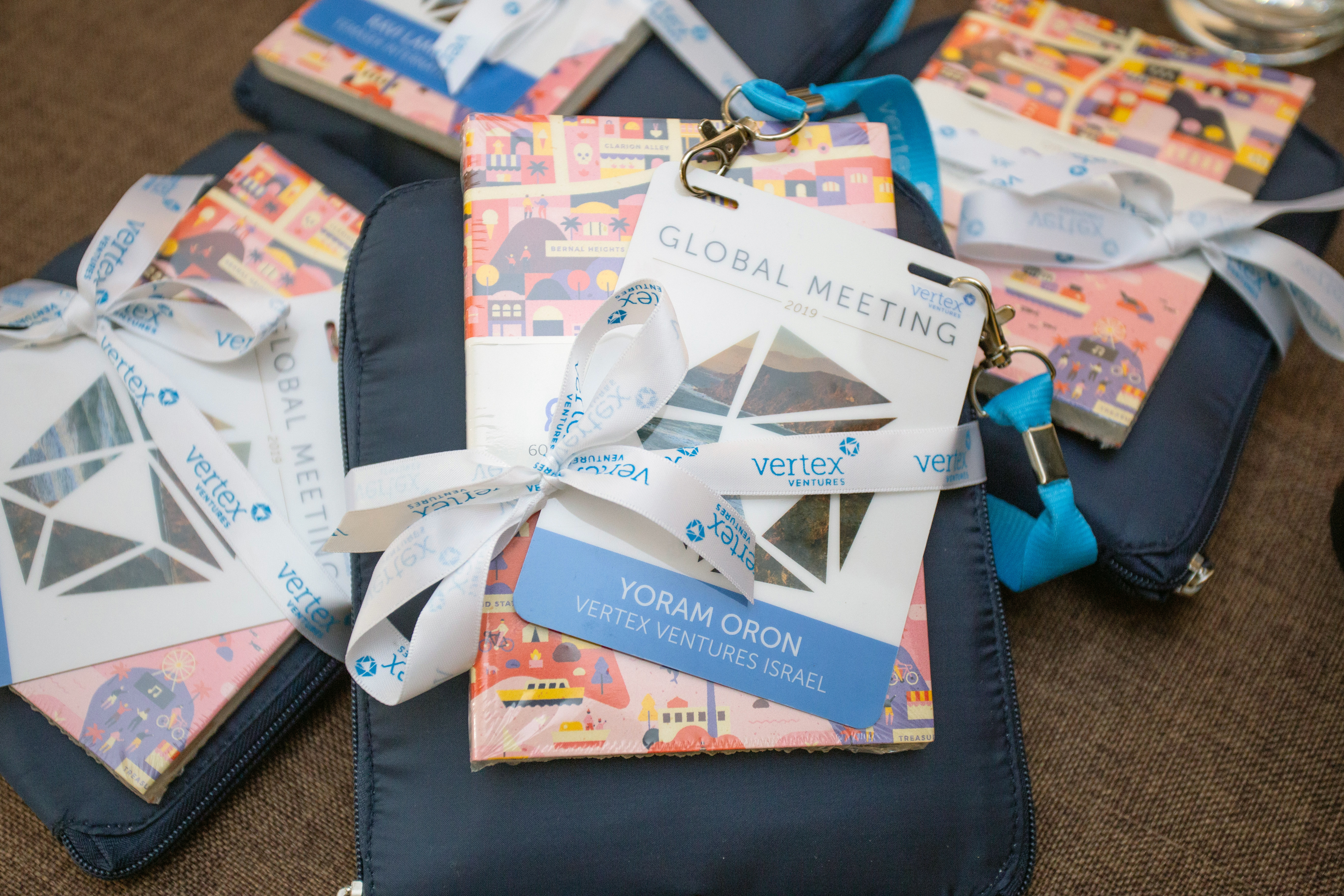 Let’s talk about high-stakes events for a minute. You’ve probably been to conferences or corporate gatherings where everything felt a bit… generic. Standard lanyards, basic name tags, forgettable swag. Then you go to an event where someone really thought about the physical branding experience.
The difference is night and day. When every touchpoint – from the registration materials to the ribbon cutting ceremony – reflects thoughtful brand execution, attendees feel like they’re part of something special. It’s not just about looking professional; it’s about creating an experience that people want to be part of and remember afterward.
I remember attending a tech conference where they used custom-printed ribbons for their VIP badges. Sounds simple, right? But these weren’t your average ribbons. They had this subtle shimmer that caught the light just right, and the company logo was printed with this raised texture you could actually feel. People kept commenting on them throughout the event. Some even asked if they could keep theirs as a memento.
That’s the power of thoughtful physical branding – it turns functional items into conversation starters and keepsakes.
The Color Psychology Connection
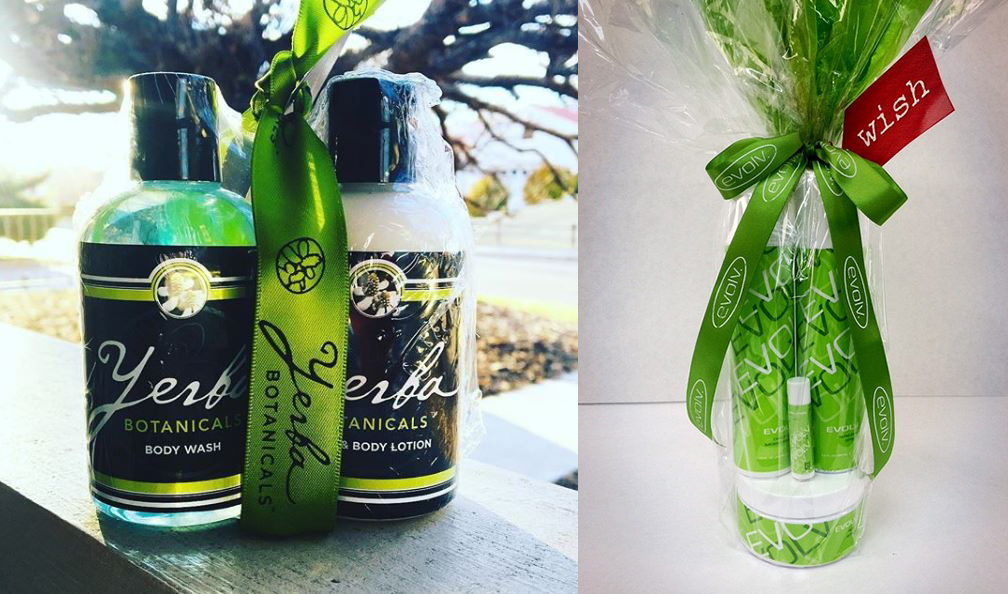 Now, here’s where your brand’s signature color becomes absolutely crucial. Color psychology isn’t just some abstract concept designers throw around – it’s backed by decades of research on how different hues affect human behavior and perception.
When you’re choosing colors for physical branding, you’re not just picking what looks nice. You’re selecting emotional triggers. Blue suggests trustworthiness and stability – perfect for financial services or healthcare. Red creates urgency and excitement – great for retail or entertainment. Green implies growth and sustainability – ideal for environmental or wellness brands.
But here’s what most people don’t realize: colors behave differently in physical form than they do on screens. That vibrant blue that looks perfect on your website might appear completely different when printed on fabric or embossed on metal. This is why working with experienced physical branding professionals matters so much.
They understand how different materials affect color reproduction, how lighting conditions will impact appearance, and how to adjust for these variables to ensure your brand colors translate perfectly from digital to physical.
Beyond Events: Everyday Brand Touchpoints
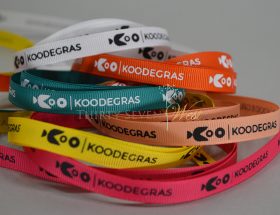
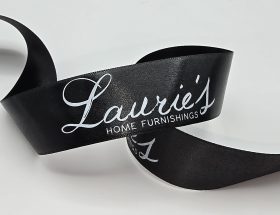
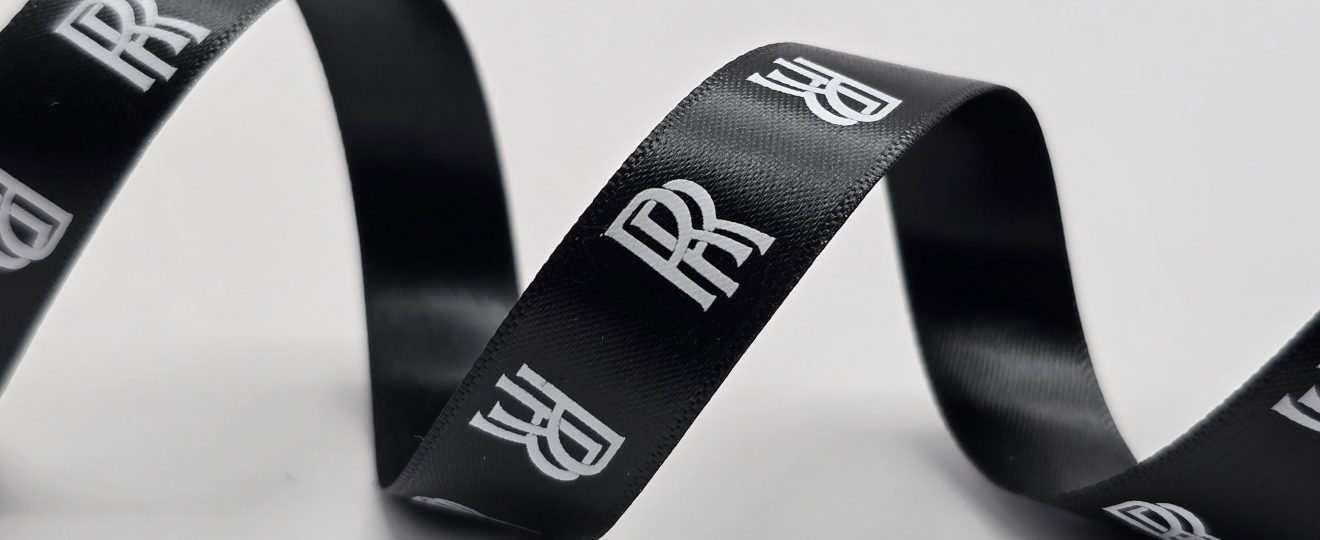
 While big events get a lot of attention, some of the most powerful branding moments happen during everyday interactions. Think about those subtle brand touchpoints that customers encounter regularly – packaging, business cards, uniforms, signage, even the logo ribbons used for gift wrapping or grand openings.
These moments might seem small, but they add up to create your brand’s overall perception. A customer who receives a package with beautifully branded ribbon doesn’t just remember the product – they remember the entire unboxing experience. They’re more likely to share it on social media, recommend your company to friends, and choose you again in the future.
The key is consistency. Your physical branding should feel like a natural extension of your digital presence, not a completely separate entity. The colors, typography, and overall aesthetic should be immediately recognizable as belonging to your brand, whether someone encounters it on Instagram or wrapped around a corporate gift.
Making Your Brand Unforgettable
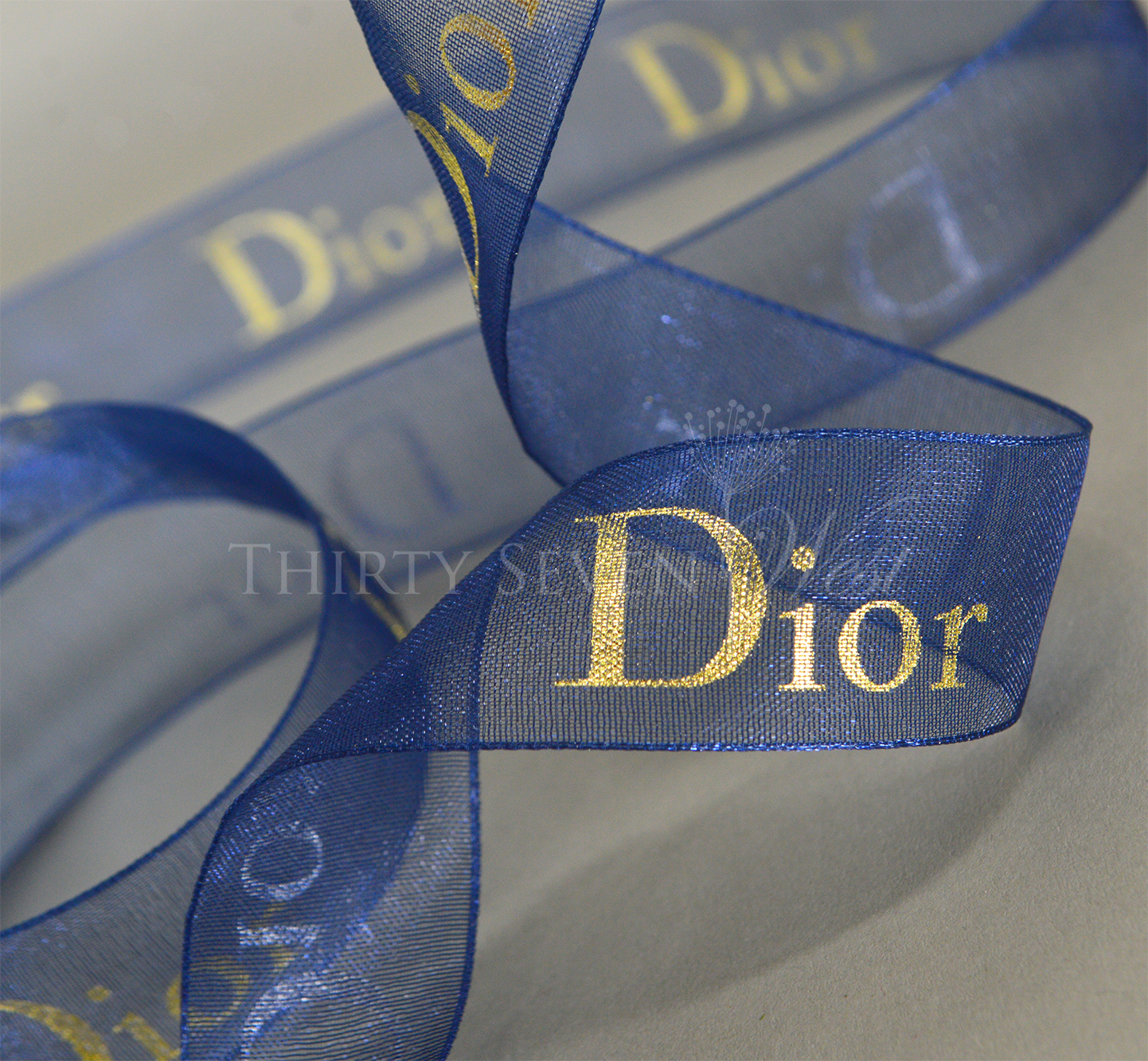 So what’s your brand’s signature color story? More importantly, how are you bringing that story into the physical world? Because here’s the truth: in an increasingly digital landscape, physical branding experiences are becoming more valuable, not less.
When everything else is competing for attention on screens, the brands that create meaningful physical touchpoints are the ones that truly stand out. They’re the ones people remember, talk about, and choose when it matters most.
Whether you’re planning a major corporate event, launching a new product, or just looking to elevate your everyday brand interactions, don’t underestimate the power of well-executed physical branding. That transformation from digital to physical isn’t just satisfying to watch – it’s a strategic advantage that can set your brand apart in ways that purely digital experiences simply can’t match.
The next time you’re planning any kind of branded experience, ask yourself: how can we make this something people can actually feel, touch, and remember long after they’ve left? Because in a world full of digital noise, sometimes the most powerful statement you can make is beautifully, tangibly real.